Transform Chaos into Calm: How the L.O.O.P. Workbook Empowers Parents of Kids with ADHD
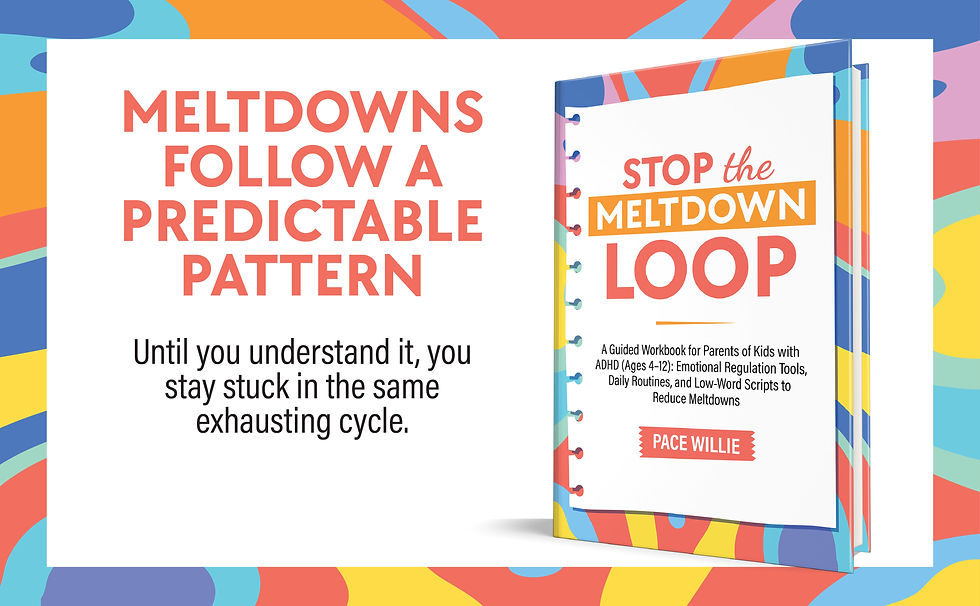
Parenting a child with #ADHD can feel like walking a tightrope over a stormy sea. You never know when a meltdown might strike or what triggers will set off emotional overload. If you’re tired of reacting after the meltdown and want to build calmer daily routines, the Stop the Meltdown L.O.O.P.: A Guided Workbook for Parents of Kids with ADHD offers a clear, practical way forward.
This workbook introduces the L.O.O.P. Exit Protocol and a simple Loop Log that help you spot patterns early, reduce blowups, and support your child’s emotional regulation without lectures or therapy jargon. Here’s how it can transform your family life.

Using the L.O.O.P. workbook to track emotional triggers and routines
Spot Patterns Before Meltdowns Happen
One of the hardest parts of parenting a child with a #ADHDKid is the unpredictability of meltdowns. The L.O.O.P. workbook helps you reduce meltdowns by identifying repeatable patterns before escalation. By keeping a Loop Log, you track early warning signs and triggers like overstimulation, demand stacking, or specific times such as #bedtime or #homework.
For example, you might notice your child becomes overwhelmed after a long day of school, especially when homework piles up. The workbook guides you to label these triggers clearly and recognize when your child is becoming dysregulated. This early spotting lets you intervene calmly before a blowout happens.
Support Emotional Regulation with Simple Scripts
When emotions run high, words can either calm or escalate the situation. The workbook provides low-word scripts tailored for early signals, peak moments, and recovery phases. These scripts help you communicate clearly and calmly, avoiding long lectures that often overwhelm neurodivergent kids.
Imagine your child showing signs of emotional overload during a #bedtimebattle. Instead of a lengthy explanation, you use a one-line script like, “I see you’re upset. Let’s take a break.” This simple approach supports emotional regulation and helps your child feel understood without feeling pressured.
Build Calmer Daily Routines by Removing Triggers
Daily routines can be a major source of stress for families with #specialneeds children. The workbook helps you remove “demand stacking” and overstimulation triggers that often lead to meltdowns. Demand stacking happens when too many requests or tasks pile up, overwhelming your child.
By using the L.O.O.P. Exit Protocol, you learn to space out demands and create predictable routines that reduce overload. For example, instead of asking your child to finish homework, clean their room, and get ready for bed all at once, you break these into manageable steps with breaks in between.
Use the L.O.O.P. Exit Protocol to De-escalate Quickly
The core of the workbook is the L.O.O.P. Exit Protocol, which stands for:
Label the emotion or trigger your child is experiencing
Lower Stimuli by reducing noise, lights, or demands
Use a One-Line Script to communicate calmly
Conduct a Post-Event Debrief to review what happened
This step-by-step method helps you stop reacting after things explode and instead guide your child through the meltdown with less stress. For example, if your child is triggered by a noisy environment, you label the feeling (“I see you’re overwhelmed”), lower stimuli by moving to a quieter space, use a simple script (“Let’s breathe together”), and later talk about what helped.
Organized daily routine chart to reduce overstimulation and demand stacking
Turn Incidents into Learning Opportunities
Every meltdown or emotional overload is a chance to learn and improve. The workbook encourages a 10-minute debrief after incidents and a weekly review of your Loop Log. This process removes guesswork and helps you and your child understand what worked and what didn’t.
For example, after a #blowup during homework time, you might review what triggered the meltdown and adjust the routine or script for next time. This ongoing loop of observation and adjustment builds stronger emotional regulation skills and calmer days.
Why This Workbook Works for Neurodivergent Parents
As a #neurodivergentparent or #specialneedsmom, you know that traditional parenting advice often misses the mark. This workbook respects your experience and offers tools that fit your family’s unique needs. It avoids therapy framing and instead focuses on practical, easy-to-use strategies that reduce stress for everyone.
By using the L.O.O.P. system, you gain confidence in managing triggers and meltdowns, helping your child thrive in a world that often feels overwhelming.
If you’re ready to stop reacting after meltdowns and start building calm, predictable routines, the Stop the Meltdown L.O.O.P. workbook is a valuable resource. It supports #adhdawareness and #adhdsupport with clear, actionable steps designed for parents like you.
Take the next step today. Find your copy on Amazon and start transforming chaos into calm for your family.


Comments